
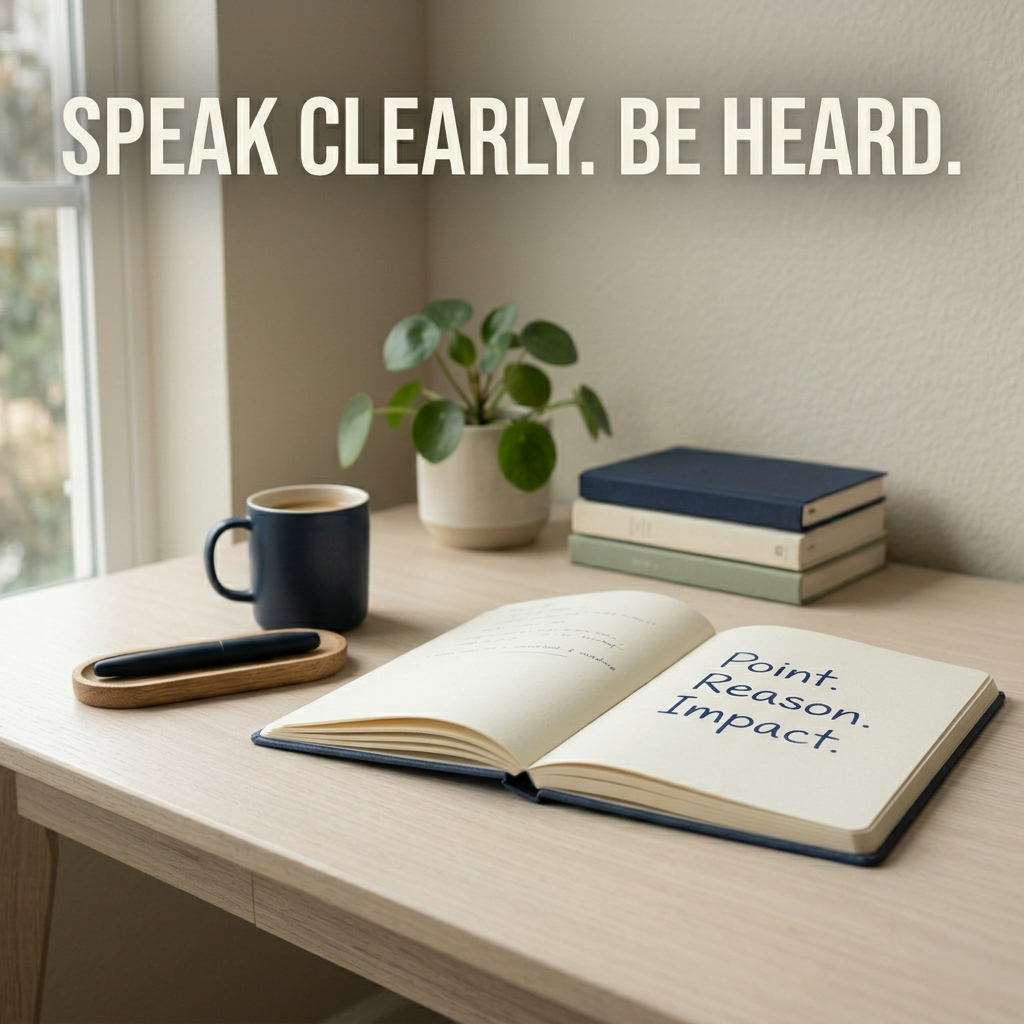
How Introverts Can Express Ideas Clearly (Without Talking More)
Even when introverts speak up, their ideas can still get overlooked—not because they’re wrong, but because they aren’t delivered clearly. This guide breaks down a simple framework to help you communicate your thoughts with clarity, confidence, and impact—without talking more or overexplaining.
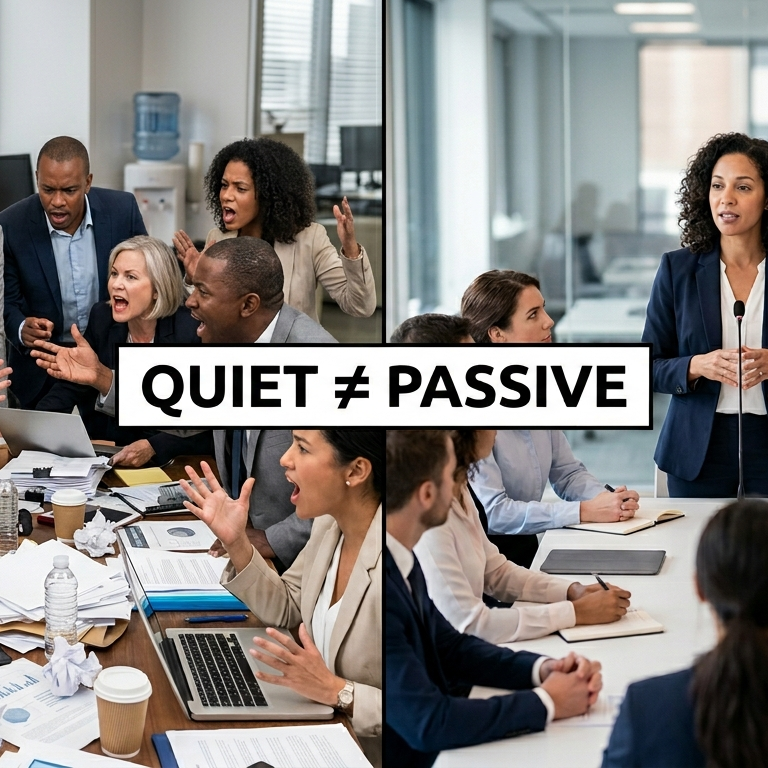
The Introvert’s Guide to Assertive Communication
Many introverts avoid assertiveness because they don’t want to sound confrontational. But leadership often requires clarity. Here’s how quiet professionals communicate with confidence and influence decisions without becoming someone they’re not.

When You Become the Manager but Still Feel Like the Quiet One
Many introverts finally become managers and suddenly feel like something is wrong with them. Meetings feel louder, decisions feel more visible, and the pressure to speak constantly increases. The problem is not leadership ability. It is that most leadership models reward louder personalities.

Confidence Advice That Doesn’t Work for Introverts
Most confidence advice assumes extroverted behavior, leaving introverts drained or stuck. Learn why common tips fail and how to leverage quiet strengths to build real confidence at work.

Why Introverts Are Often the Most Strategic Thinkers
Introverts are often strong strategic thinkers because they naturally process information more deeply before speaking. Instead of reacting quickly, they evaluate second-order consequences, identify risks, and consider how decisions impact larger systems. This reflective approach leads to more thoughtful, well-rounded insights, making introverts especially valuable in complex decision-making and long-term planning at work.

Why Introverts Doubt Themselves (Even When They’re Right)
Many introverts assume their self-doubt means they’re missing something.
But the real reason introverts hesitate to speak up at work has less to do with confidence—and more to do with how they process ideas.
Here’s why thoughtful professionals often second-guess themselves… even when they’re right.

Why Work Feels Harder for Introverts
Work shouldn’t feel this heavy.
You prepare. You think deeply. You care.
But meetings move fast, loud voices win, and your best insight often comes a moment too late.
So you start wondering if it’s you.
It’s not.
In this week’s Tier 2 deep dive, we unpack why modern workplaces feel harder for introverts—and what changes when you stop performing and start leveraging your design.

Being “Low Maintenance” Is Quietly Killing Your Career
Being “low maintenance” at work feels like a strength — especially for introverts. You deliver, solve problems, and avoid drama. But reliability alone doesn’t lead to promotions. In this newsletter, I break down why quiet professionals get overlooked and how to build strategic visibility without changing your personality.

How to Build Work Relationships as an Introvert
Building work relationships as an introvert doesn’t require forced networking or becoming louder. Learn how to deepen trust, increase influence, and grow your career using quiet, strategic connection.

How to Talk About Accomplishments as an Introvert (Without Feeling Fake)
You’re proud of your work — until someone asks you to talk about it. If sharing accomplishments makes you shrink, this is for you.

Performance Review Anxiety for Introverts
Performance reviews often miss quiet, consistent impact. Here’s how introverts can prepare, reduce anxiety, and ensure their work is accurately represented.

Introvert Career Stagnation
You do solid work. You deliver results. And yet promotions keep passing you by. If you’re an introvert experiencing career stagnation, the problem isn’t your confidence or personality—it’s how your value is being translated inside the organization. This article explains why being overlooked happens so often and what quietly works instead.

Why I Freeze When I Need to Speak
You know what you want to say in meetings—until the moment arrives. Your mind goes blank, your body tightens, and the conversation moves on without you. Freezing when you need to speak isn’t a confidence problem or an introvert flaw. It’s a nervous system response to visibility, and once you understand what’s happening, there’s a quieter, more effective way to work with it.

Introvert Gets Talked Over at Work
If you’ve ever been talked over in a meeting and left with ideas still unsaid, you’re not alone. This article explains why introverts often lose the floor in project reviews and leadership meetings — and how to regain visibility using practical, low-pressure strategies that work with your natural style.

Quiet in Meetings but Have Good Ideas? How Introverts Gain Visibility at Work
Do you leave meetings wishing you had spoken up, even though you had strong ideas? This piece explores why meetings favor speed over depth, why the issue isn’t confidence or personality, and how introverts can make their thinking visible in ways that feel natural and sustainable.

The Dopamine Difference: Why Introverts Find Motivation Differently
Why does motivation feel draining instead of energizing? The answer isn’t discipline. It’s dopamine. This science-backed breakdown explains how introverts experience motivation differently, why loud rewards lead to burnout, and how to design work that fuels focus, clarity, and sustainable drive.

The Introvert’s Guide to Mentorship — Being One and Finding One
Mentorship isn’t about having all the answers or being the loudest voice in the room. For introverts, it’s about thoughtful guidance, deep listening, and intentional growth. In this guide, you’ll learn how to find a mentor without awkward networking, how to mentor others in a way that fits your energy, and how mentorship supports advanced career and leadership development — without replacing the clarity and accountability that coaching provides.

How to Give Feedback That Inspires (Even If You Hate Conflict)
If the idea of giving feedback makes your chest tighten and your mind race, you’re not alone. For many introverted leaders, feedback feels less like a conversation and more like a potential landmine. The fear isn’t about being weak or incapable, it’s about wanting to be clear without causing harm. This guide shows you how to give honest, constructive feedback in a way that feels calm, natural, and aligned with your quiet leadership style.

How Quiet Leaders Build Loyal, High-Performing Teams
Quiet leaders are often told they need to “speak up” to be seen as strong, but loyalty usually grows from something very different: feeling heard. In this newsletter, you’ll learn how listening-first, introverted leaders build deep trust, unlock better performance, and position themselves for advanced roles—without faking extroversion. If you’ve ever wondered whether your quiet style can carry you to the next level, this is your roadmap.

How to Build Genuine Relationships That Don’t Drain You
Many introverts crave meaningful relationships but often feel overwhelmed by small talk, constant interaction, or pressure to “perform.” This guide breaks down why social fatigue happens and what you can do differently. You’ll learn practical, science-backed strategies like bridge questions, micro-reveals, and energy boundaries to help you connect with ease and authenticity. Perfect for anyone who wants relationships that feel natural, deep, and truly energizing.